From the porches of Appalachia to today’s festivals: what country music is, where it comes from and why it fills stages in Italy too.
Country music was born in the American South in the first decades of the twentieth century, where different traditions met: the folk music of Irish and Scottish immigrants, the blues, gospel and the dance music of Appalachia.
Poor music, made at home, in churches and on porches, singing about everyday life: love, work, grief, land.
In the 1940s Nashville became its capital: the Grand Ole Opry carried country music by radio into homes right across America. From then on studios, producers and the live scene built the genre as we know it today.
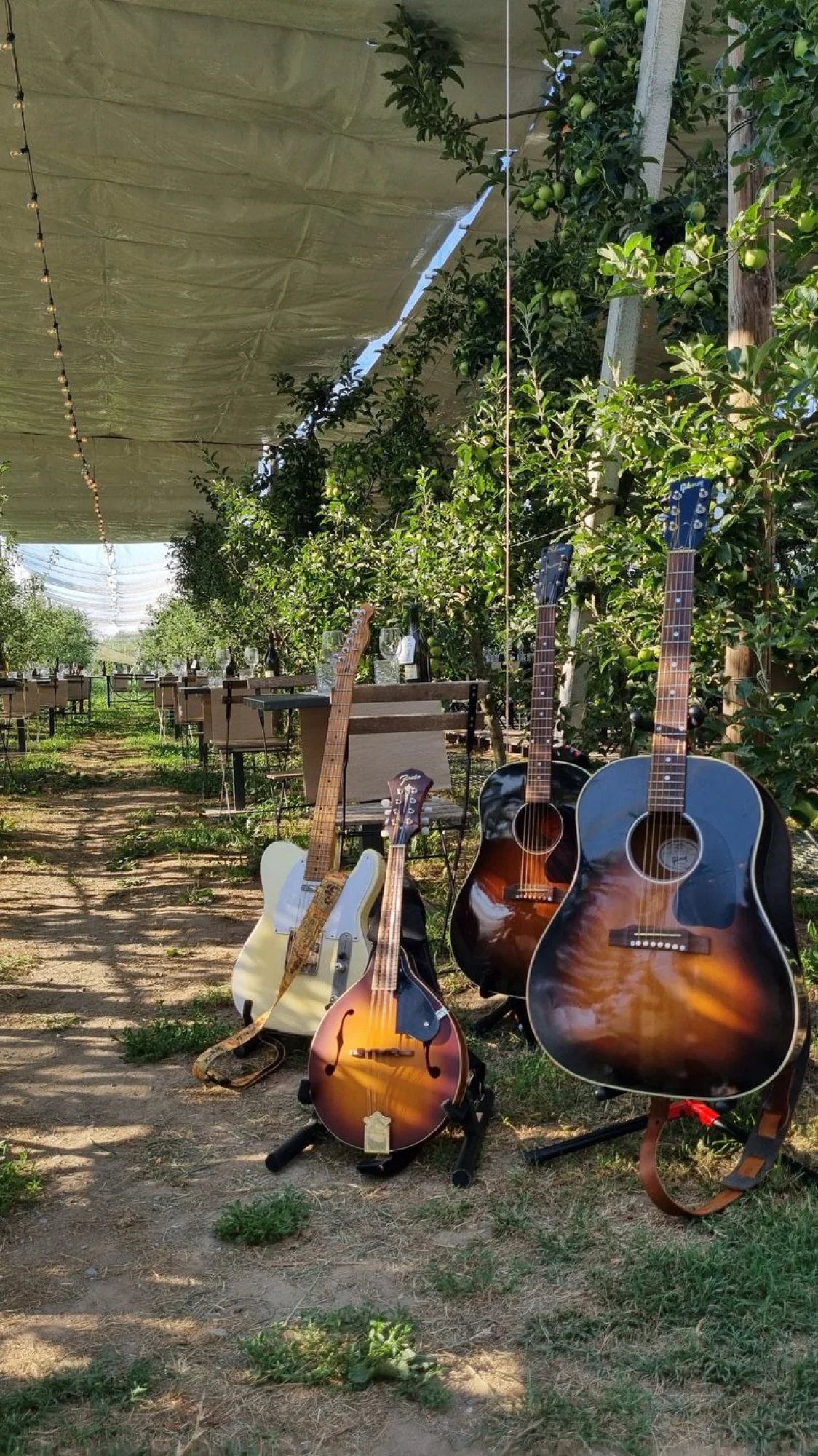
The sound of country comes from a precise combination: the acoustic guitar as the base, the steel guitar as the melodic voice, the fiddle for the dancing, bass and drums for the groove. And the voice, always at the centre, always telling a story.
But what really sets it apart is the attitude: lyrics that tell true stories, straightforward melodies, an honest relationship with the audience. Every note serves the song.
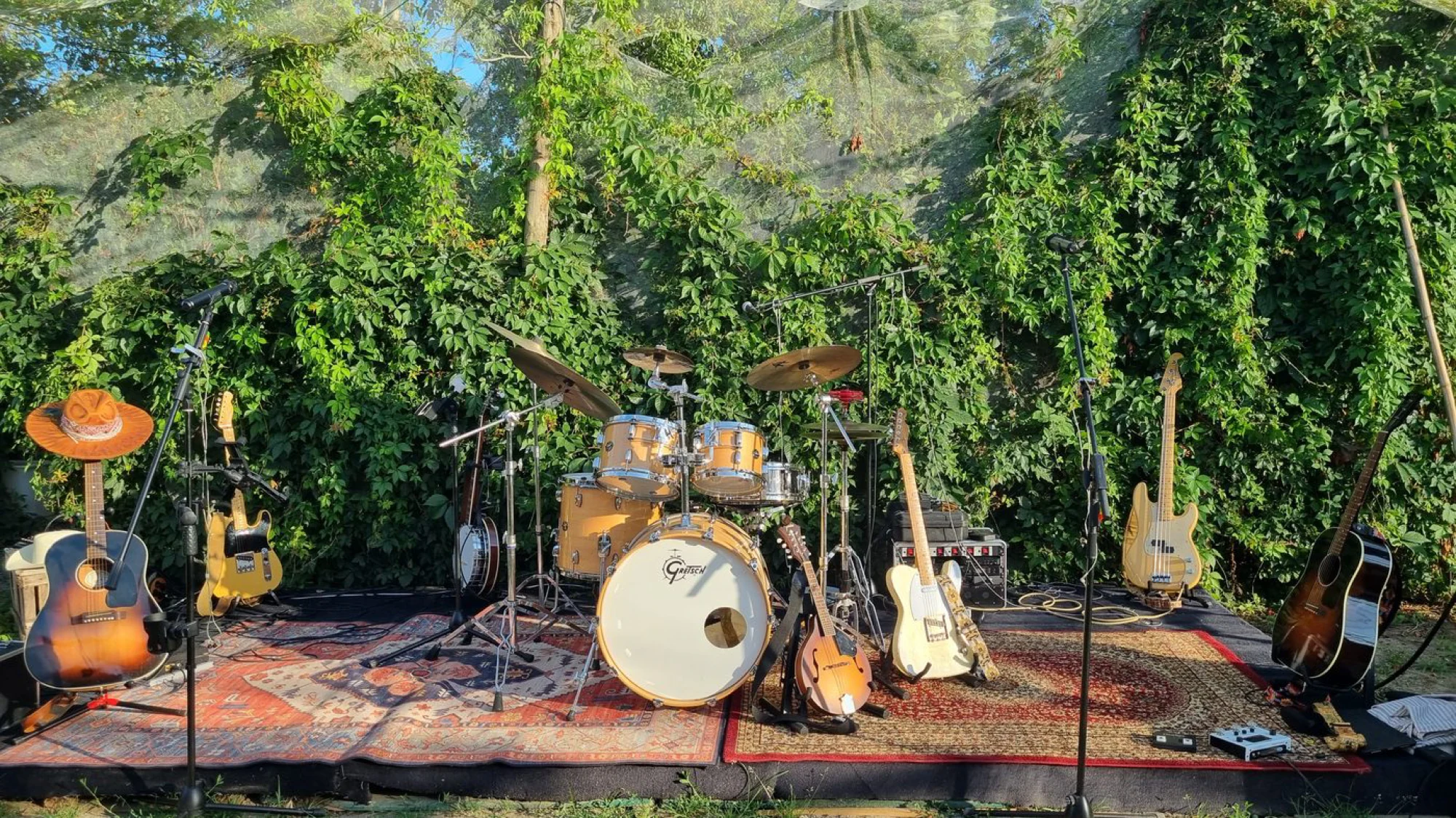
The harmonic base of everything: every country song starts there.
That “crying”, almost vocal sound sliding between the notes: the most iconic element of the genre.
The country violin: it comes in for the dancing and lights up the floor.
The blues colour of country: few notes, plenty of road.
The heartbeat of honky-tonk: a dry groove that moves your feet.
Always at the centre, always narrative: in country, every song tells a story.
From the Fifties to today country has split, widened and gone back to its roots: it is now living a new season that puts the authentic sound back at the centre.
European immigrant folk, blues, gospel and the music of Appalachia. With the Grand Ole Opry, country entered homes all over America.
The honky-tonk of Hank Williams, the polished sound of Patsy Cline, the country rock of the Flying Burrito Brothers.
Garth Brooks, Alan Jackson and George Strait took country back to its roots without giving up modern production. A golden age.
On one side the Nashville mainstream, on the other Zach Top, the Zac Brown Band, Chris Stapleton and Brad Paisley. This is where we live.
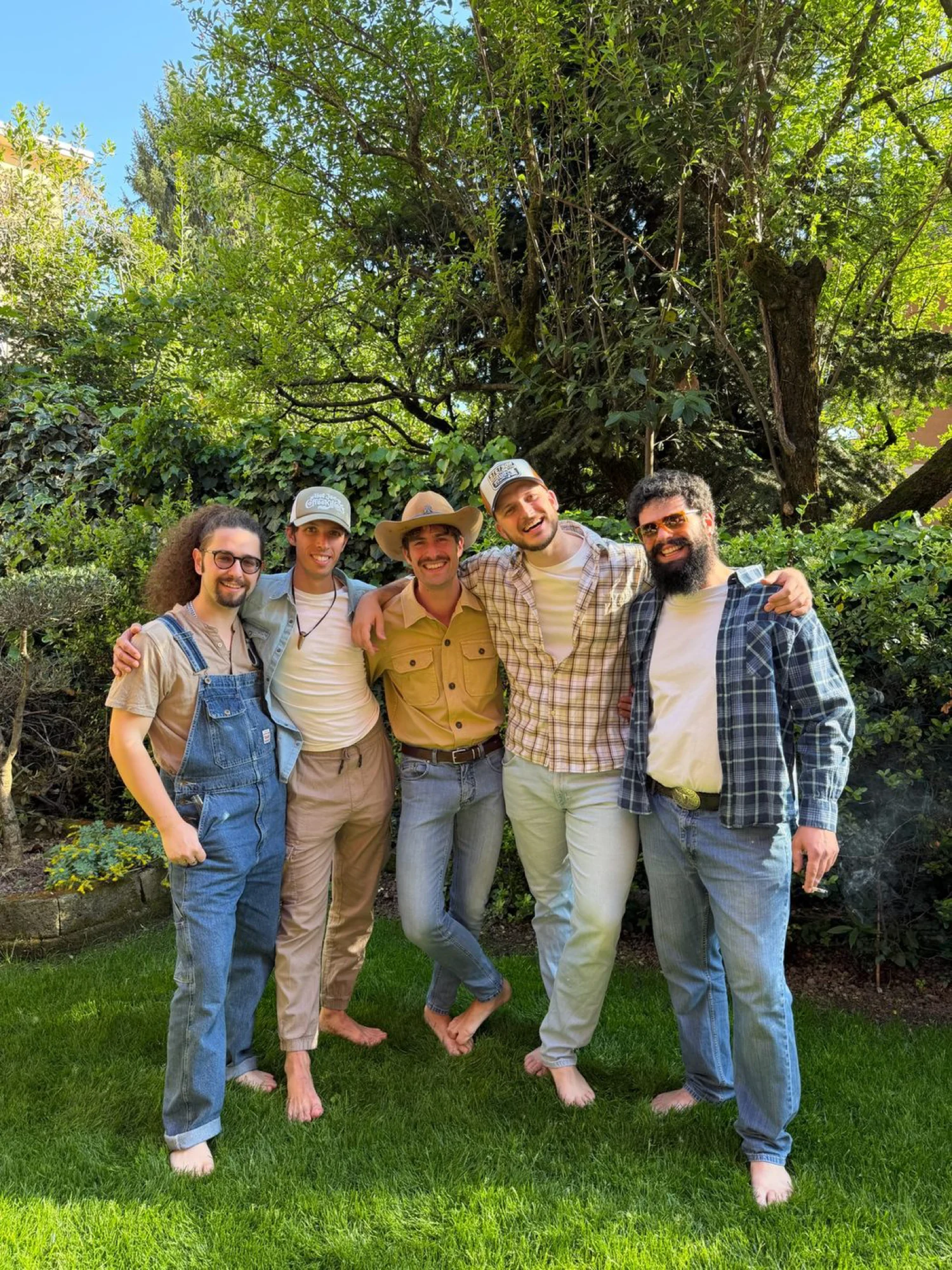
The Italian scene is here, it plays every weekend and it fills squares, pubs and weddings.
Line dancing has filled gyms and parish halls, country festivals sell out, and artists like Zach Top, Chris Stapleton or Zac Brown Band turn up in the playlists of people who never went looking for country. Today asking for a country band for a party is as normal as asking for a rock cover band.
Because everybody agrees on it: it has the rhythm to get people dancing and the melodies to be listened to, with no need for stadium volume. Grandparents, children and twenty-year-olds share the same square. At a village fair, in a pub, at a wedding or at a company party it does exactly the job you need.
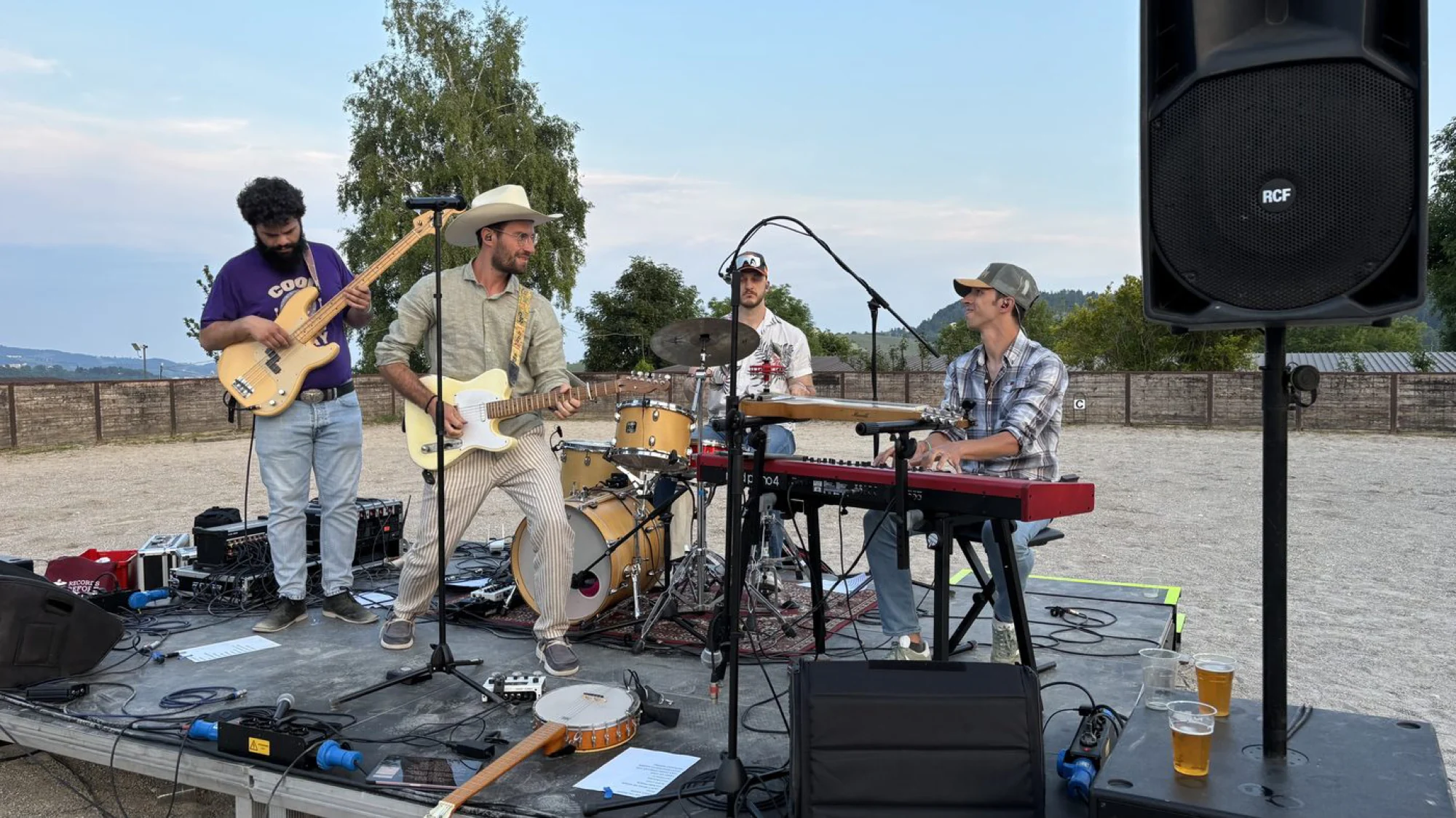
We are a country band from Brescia and we have been touring northern Italy since before it became fashionable: we know the repertoire that works in our squares and we know when to turn it up. Come and hear us at a show, or tell us about the night you have in mind.
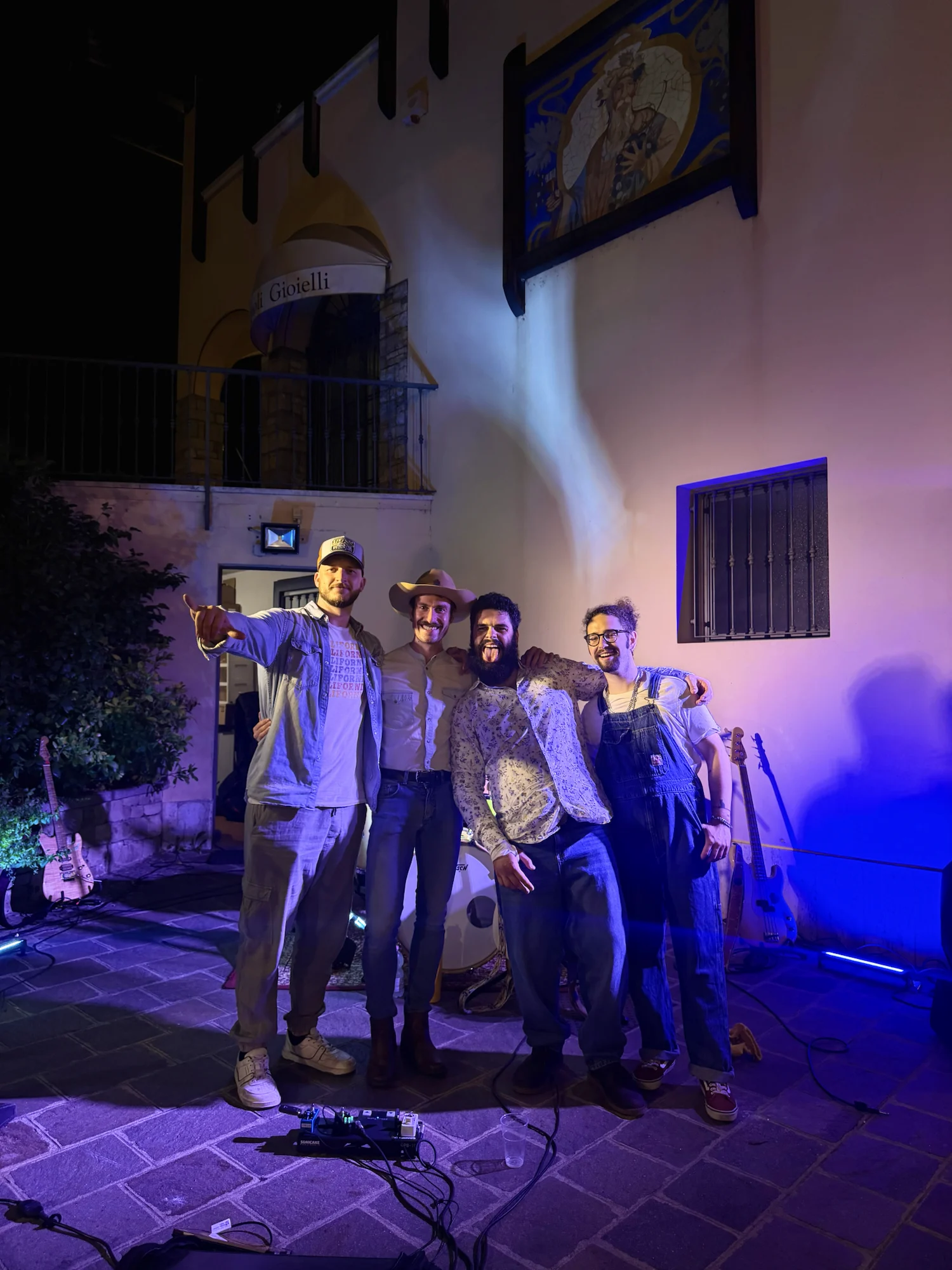
Country has a rare quality: it works for everyone. Immediate melodies, lyrics you can follow, a rhythm that invites you to move, whether it is a ballad or a party song.
For an event it offers something precious: an atmosphere. The audience sings, dances, talks back to the band. Our show is built around that idea: every night is designed to move people, not to impress them.
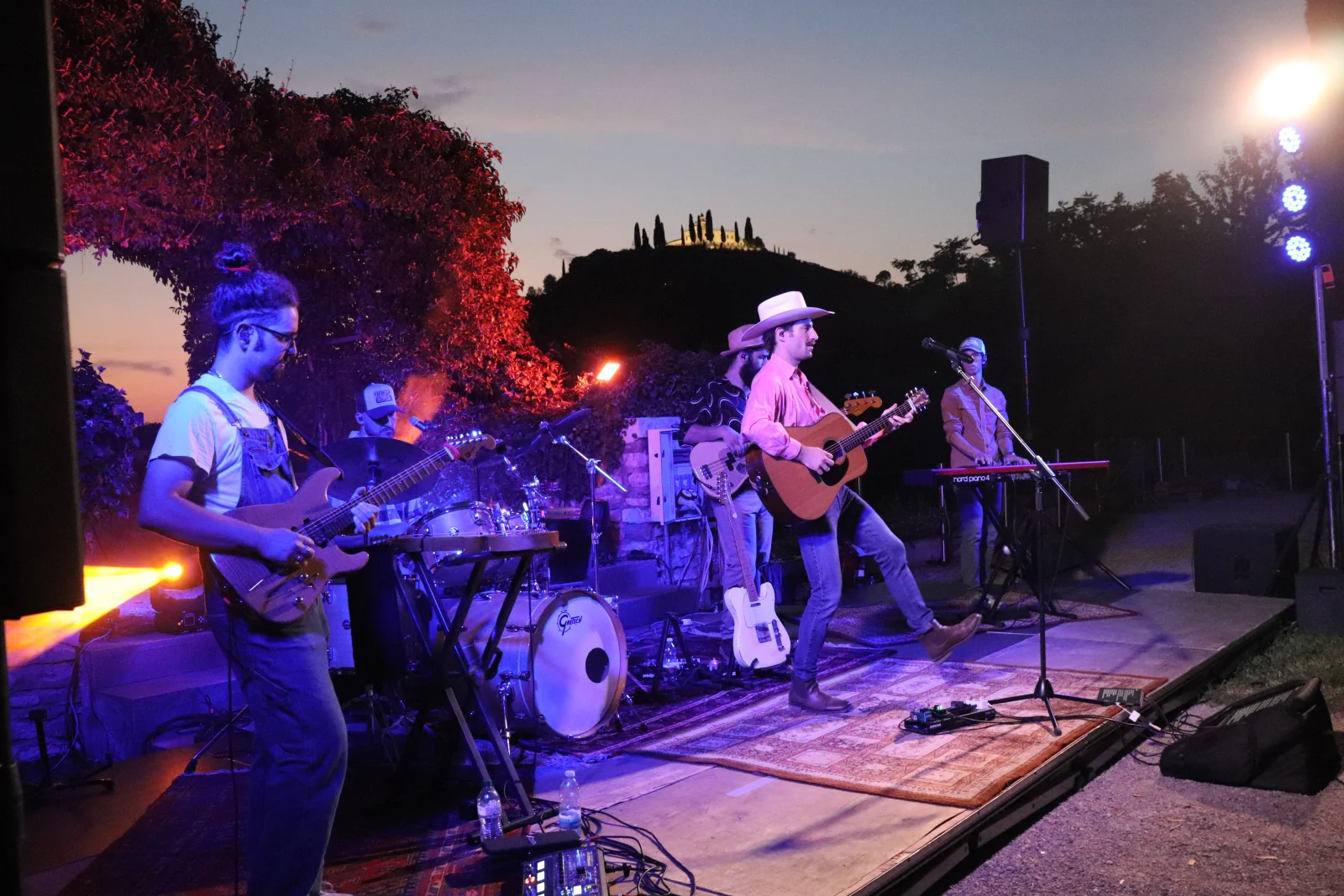
Tell us about your event: two minutes of form, and we’ll get back to you with a proposal within a few days.